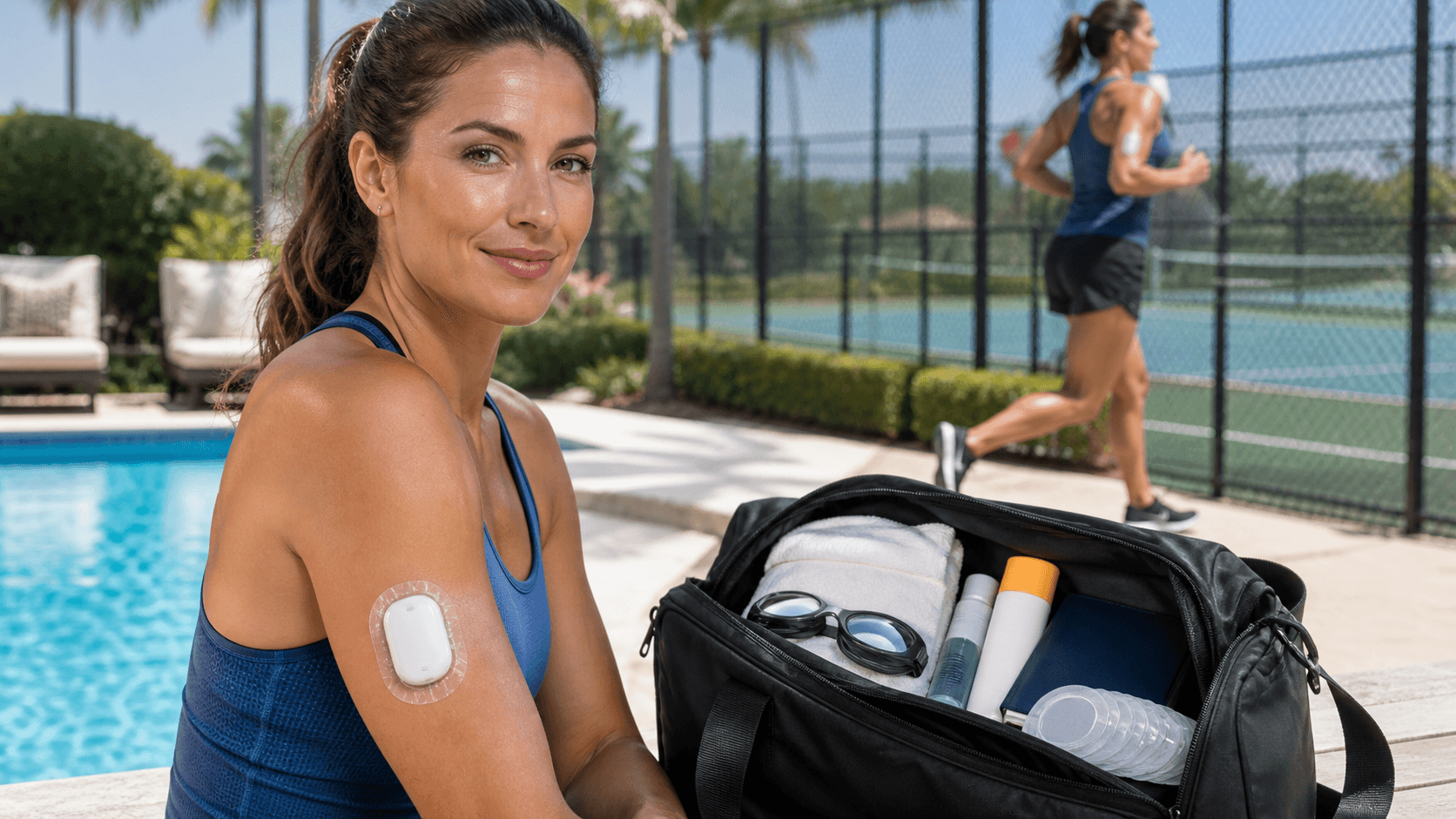
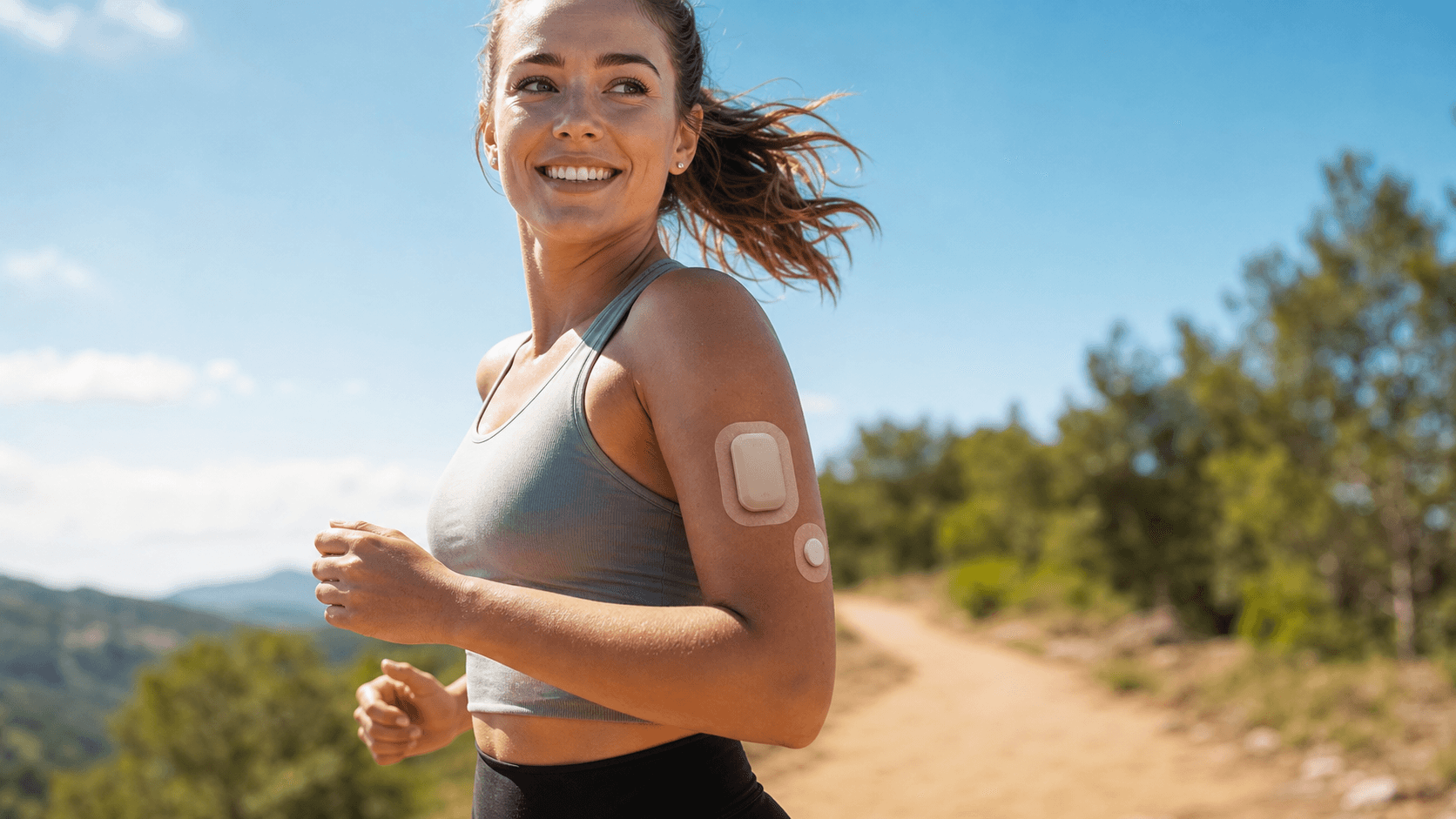
Stop Wasting Patches Before the Workout Even Starts
When a "sweatproof" patch starts peeling before you even hit your stride, it is more than annoying. It can mean lost continuous glucose monitor data, alarms that are not accurate, and the stress of wondering if your sensor will make it through the day. For people who depend on a CGM or pump to stay safe, a failed patch is not just an inconvenience.
Early failure can also lead to skin irritation, sticky buildup, or even losing the sensor or infusion set completely. That often means surprise replacements and extra time spent redoing something that should have lasted. We know how frustrating that feels, especially when you were promised sweatproof protection.
So why do sweatproof continuous glucose monitor adhesive patches fail early, even when they are supposed to be tough enough for heat and workouts? It is rarely just "bad glue." There are real, fixable reasons behind early peeling. Let us walk through what is going on and how to help your patches last through long, hot, sweaty days.
How Heat, Sweat, and Skin Oils Break Patch Adhesive
"Sweatproof" sounds like a guarantee, but here is what it usually means in real life: the adhesive is made to handle some moisture, not endless sweat, sunscreen, and friction all at once. When your body heats up, your skin expands a little, you sweat more, and clothing rubs more. All of that puts stress on the edges of the patch.
Heat and sweat can soften adhesive and make it slippery instead of sticky. At the same time, natural skin oils work their way to the surface under the patch. If there is no good bond from the start, those oils can sneak under the edges and slowly lift them.
Everyone's skin is different. Things that make a big difference include:
- Natural oil level in your skin
- How salty or acidic your sweat is
- Use of sunscreen, bug spray, or body oils
- How much you move and bend in that area
Late June and the rest of summer can be especially hard on patches. Higher temperatures, outdoor sports, time in the pool or ocean, and more frequent showers all pile on. You might be changing outfits more often, going from AC to hot sun, or wearing more athletic gear, and each change pulls and rubs on the patch again. That is usually when weak skin prep or poor placement starts to show.
Common Skin Prep Mistakes That Sabotage "Sweatproof" Claims
Many "sweatproof" patches fail before their time because of what happens in the few minutes before you apply them. Even the strongest adhesive needs a clean, calm surface to grab onto.
Some common prep mistakes are:
- Putting patches on damp, sweaty, or warm skin
- Leaving lotion, sunscreen, or body oil on the area
- Shaving right before application, which can leave tiny cuts and loose hairs
- Using body wash that leaves a slick residue behind
Moisturizing soaps and body washes can feel great, but the ingredients that make skin soft can also create a light film. That film can keep your patch from bonding tightly to your skin and to the device. The same goes for thick creams and oils. If they are on the skin, the adhesive will stick to them instead of to you.
A simple, high-level prep routine that often helps:
- Wash the area with a residue-free soap or cleanser
- Rinse very well and pat the skin dry with a clean towel
- Wait a few minutes until your skin is completely dry and cool
- Skip lotions, thick creams, and oils on and around the patch site
- Apply when you are not overheated from a shower or workout
This does not guarantee a perfect wear every time, but it gives the adhesive a real chance to do its job, especially in hot and humid weather.
Placement, Movement, and Clothing That Cause Early Lifting
Even when skin prep is on point, placement can make or break your patch. Some spots on the body just move and rub more than others. Areas near the waistband, under bra straps, or on joints like elbows and knees bend and twist all day. That constant motion can cause even high-quality sweatproof continuous glucose monitor adhesive patches to lift at the corners.
Warm-weather clothing can add to the problem:
- Tight athletic leggings or compression shorts
- Sports bras with firm bands and thick seams
- Backpack or crossbody straps
- Waistbands that roll or dig into the skin
If a seam or strap runs right over the edge of the patch, it acts like a tiny plow, nudging the edge up over and over. Once even a small part lifts, sweat and water can get underneath, and peeling speeds up.
Smarter placement can make a big difference. When possible:
- Choose flatter areas with less bending and twisting
- Avoid direct contact with waistbands, bra bands, and heavy straps
- Place the patch so clothing seams run beside it, not across it
- Think about how you move when you sit, twist, or sleep
A few small changes in placement can help your next patch last all the way through your longest workout or work shift.
When "One Size Fits All" Patches Do Not Fit Your Lifestyle
Not all patches are built the same way, and not every patch works for every person or every device. Different fabrics breathe in different ways. In hot weather, a more breathable fabric can help sweat evaporate instead of getting trapped under the patch.
Some adhesives are made for very secure hold, while others are designed to be gentler for sensitive or allergy-prone skin. If your skin reacts easily, using a patch that is not hypoallergenic or not a good match for you can lead to itching or redness, which can tempt you to peel at the edges.
Shape matters too. Patches are cut with different openings and outlines to fit specific CGM and pump models. When a patch is not designed for your device, it might not anchor the sensor well or might pull in the wrong spots, which can lead to early peeling.
At Lexcam Patches, we focus on options that match popular continuous glucose monitors and insulin pumps. We care about hypoallergenic choices for sensitive skin, and designs that flex with your movement while still guarding the device and adhesive. That kind of detail matters even more in summer heat, during sports, and in humid climates.
Make Your Next Patch Last Through Every Summer Plan
When sweatproof continuous glucose monitor adhesive patches fail early, it usually comes down to a mix of things working against you at once. The biggest troublemakers are incomplete skin prep, skincare products that leave residue, tricky placement in high-motion areas, friction from clothing and gear, and using patch materials or shapes that do not match your skin or device.
A simple way to move forward is to treat each new patch as a little test:
- Tighten up your prep routine and keep it consistent
- Try one or two new wear locations, especially for warm-weather activities
- Notice how clothing, straps, and waistbands interact with the patch
- Pay attention to how long different patches last in real life
As an online retailer focused on hypoallergenic, waterproof, and sweatproof adhesive patches and covers, we built Lexcam Patches to support that kind of real-life trial and learning. With options for popular CGMs and pumps and designs aimed at staying put through workouts, pool days, and heat waves, our goal is to help your patch last as long as your plans do.
Keep Your CGM Secure Through Every Workout
Stay confident during workouts, busy days, and hot weather with our Sweatproof continuous glucose monitor adhesive patches designed to protect your sensor without irritating your skin. At Lexcam Patches, we focus on reliable adhesion that keeps up with your lifestyle so you can spend less time worrying about your device and more time living your life. If you have questions about fit, skin sensitivity, or choosing the right style, reach out through our contact page and we will help you get set up.