Living with diabetes tech should feel calm and normal, not stressful. When you wear a CGM sensor or insulin pump at work or school, you want it to stay put, stay comfortable, and stay out of the spotlight. That can be tricky when clothes rub, sweat builds up, and you are moving nonstop from morning to night.
An invisible glucose monitor patch can help with all of that. It adds a low-key layer that helps keep your device secure, helps protect your skin, and lets you focus on your day instead of your adhesive. Let us walk through how these patches fit into real life at work, at school, and in that hot late-summer weather.
Confidently Wearing Diabetes Tech All Day
Many people worry that their CGM or pump site will show under work clothes, school uniforms, or summer outfits. Warm days make it even harder, since thin fabrics and sweat can pull at edges and draw attention right where you do not want it.
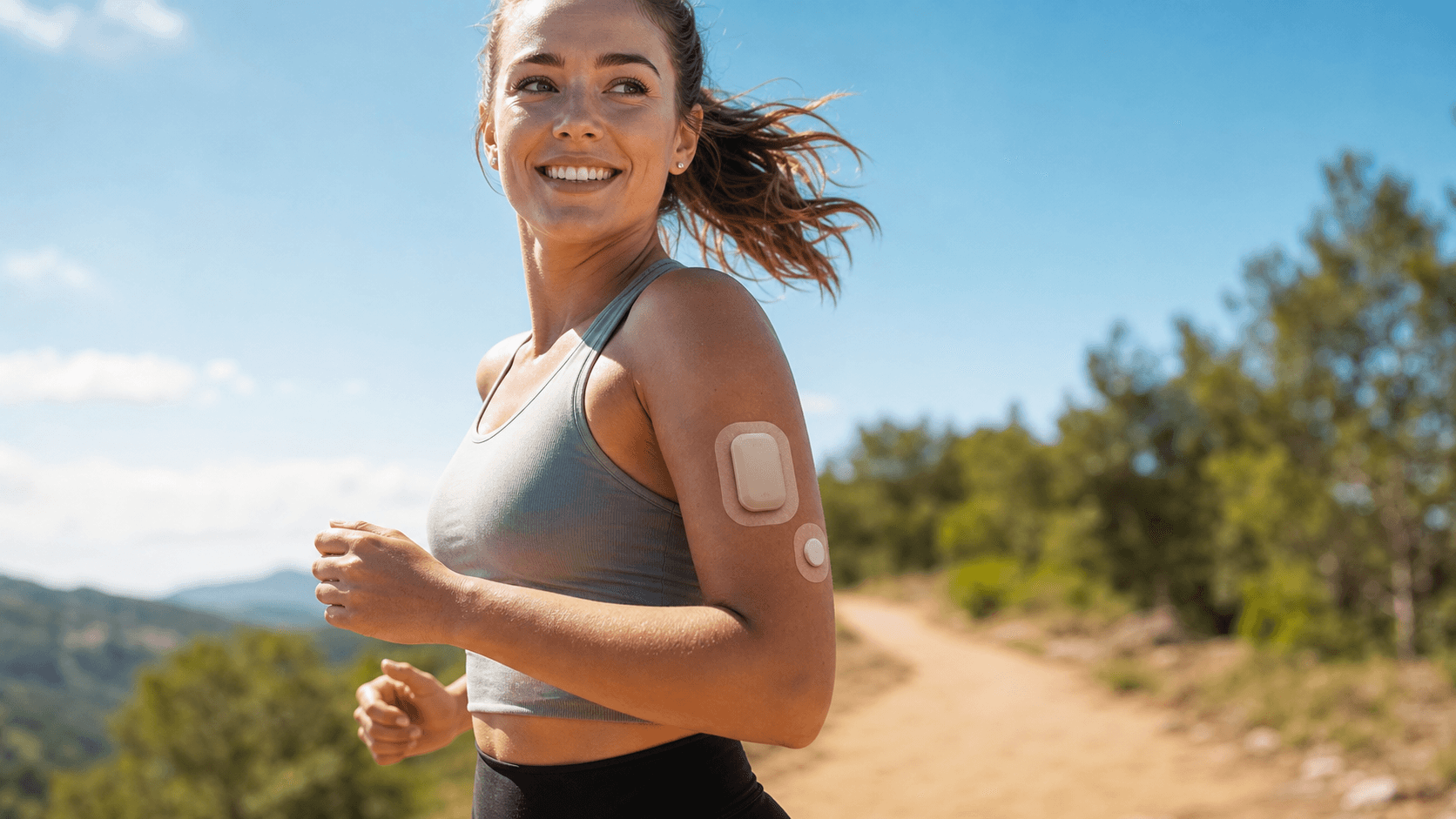
An invisible glucose monitor patch is a simple way to add backup. It sits close to your skin, hugs the device, and blends under clothing. From first bell or the start of a staff meeting to evening practice or dinner, it helps keep everything where it should be.
With a patch that is hypoallergenic, sweatproof, and designed for daily wear, the focus can move away from the device and back to real life. Comfort, privacy, and steady support work together so workdays and school days feel smoother.
Keeping CGMs Secure Through Long Workdays
Adults deal with a different kind of pressure. There are office dress codes, scrubs or uniforms, business trips, and long meetings in rooms that are either too warm or too cold. All that sitting, standing, and shifting can take a toll on adhesives.
An invisible glucose monitor patch can help by:
- Adding gentle hold so devices do not peel or snag
- Laying flat under button-down shirts, blouses, scrubs, and polos
- Helping keep tubing or pods from catching on waistbands or bag straps
- Staying low-profile so coworkers are not staring at your arm or stomach
Comfort matters too. When you wear a device all day, your skin works hard. A patch made with soft, skin-friendly materials can help reduce rubbing where clothes slide back and forth. Breathable designs help air reach your skin, which can feel better in air-conditioned offices or warm warehouses.
Waterproof protection is helpful for workers who:
- Squeeze in a quick lunchtime workout
- Walk or bike to and from work in the heat
- Wash hands and arms often on the job
With the right patch, you can focus on your tasks, not whether your sensor will make it through the afternoon.
Helping Kids Feel Confident and Included at School
A typical school day is rough on tech. Kids face crowded hallways, backpacks swinging, bumping into classmates, recess, PE, and after-school sports. Hot playgrounds and active games can loosen standard adhesives and leave parents worried about devices falling off mid-day.
A nearly invisible glucose monitor patch can give an extra layer of security without making kids feel like everyone is staring at their arm or belly. When the patch blends with their skin and sits smooth under sleeves or waistbands, classmates are less likely to ask questions, and kids are more likely to forget it is even there.
That can mean:
- Fewer worries about catching devices on monkey bars or jerseys
- Less distraction during class from itchy or peeling edges
- More freedom to join in rough and tumble play
- Less focus on being "different" because of diabetes tech
Parents and school staff get some peace of mind too. When the adhesive is reliable, there can be fewer urgent nurse visits for loose sensors, fewer last-minute site changes, and less missed class time. Everyone can put more energy into learning, playing, and staying safe.
Managing Heat, Sweat, and Activity in Late Summer
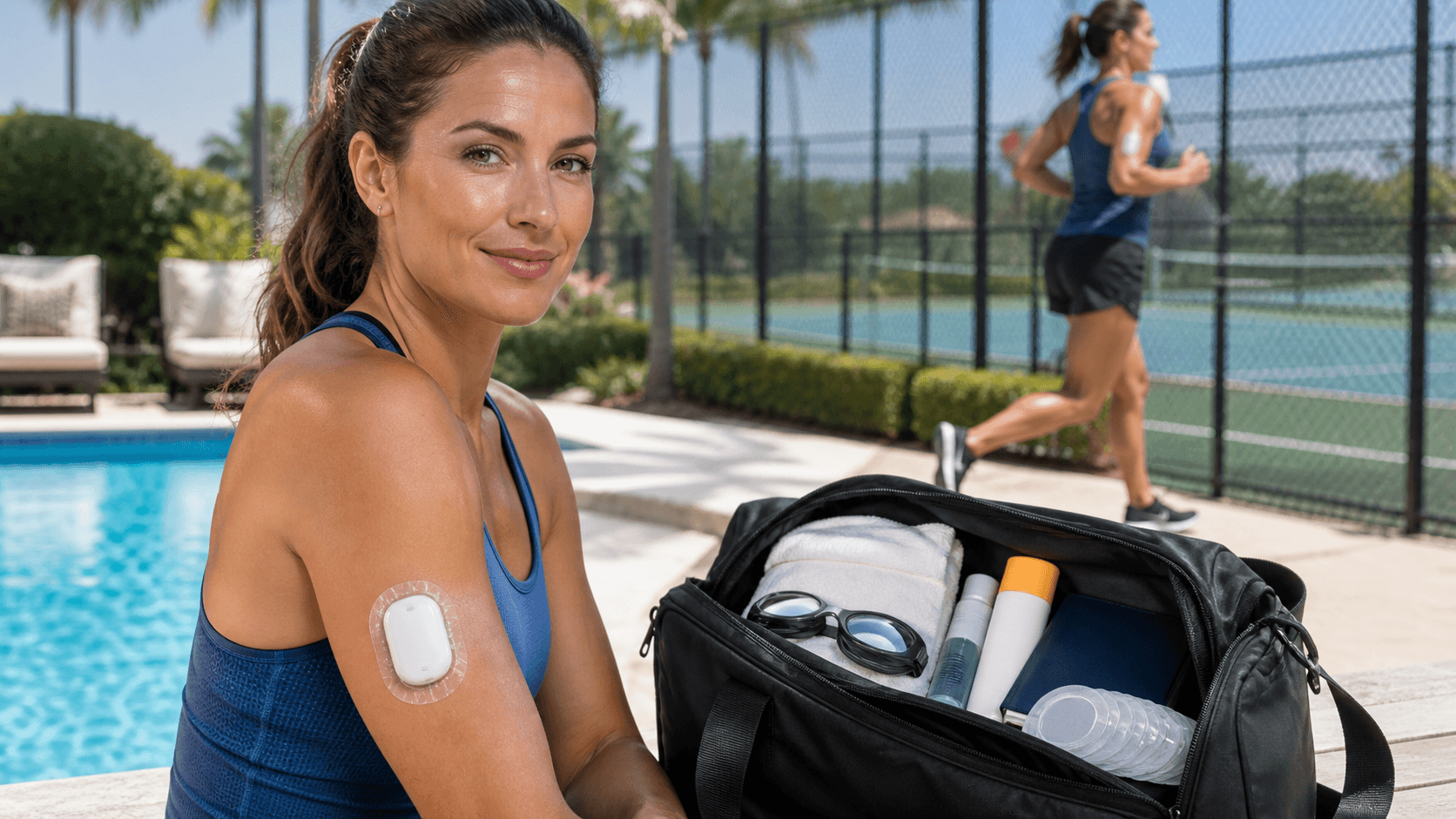
Late summer is a tough stretch for wearables. Back-to-school prep mixes with heat, sticky humidity, end-of-summer camps, and outdoor chores. When skin stays damp, many standard adhesives start to curl at the edges or slide.
Sweatproof and waterproof patch designs are built to handle:
- Outdoor recess and field days
- Yard work, gardening, and home projects
- Walking or biking between buildings in heavy heat
- Short swims or splash time around water
To get the best hold from an invisible glucose monitor patch in warm weather, it helps to:
- Start with clean, dry skin with no lotions or oils
- Pick a low-friction spot that clothing will not rub all day
- Press the patch firmly, especially around the edges
- Apply at least a little while before showers or swimming, so the adhesive can set
These small steps can make a big difference in how long the patch, and your device, stay secure.
Choosing the Right Invisible Patch for Your Device
Not every patch fits every device. Getting the right shape and size is key if you want a true invisible glucose monitor patch effect under clothing.
Look for patches that are made to match popular devices like:
- Dexcom sensors
- Libre sensors
- Omnipod and other pod-style pumps
The opening and outline should line up with your device so the patch supports the edges without covering important parts of the sensor or cannula.
Other helpful features include:
- Hypoallergenic adhesive for people with sensitive skin
- Flexible fabric that bends easily with arms, legs, and stomach
- Neutral colors that work with many skin tones and clothing choices
At Lexcam Patches, we keep the selection process simple so adults and parents can quickly find patches that match their devices and comfort needs before busy seasons pick up.
Start Your Season with Stress-Free Device Wear
A little planning now can make the next few months feel a lot easier. Before work and school schedules fill up, it helps to test invisible patches and see how they feel on your own skin and in your own routine.
You might try:
- A "trial day" at home with normal movement and a warm walk outside
- Noticing how the patch holds through sweat, showers, or a swim
- Paying attention to any skin reaction so you know what works best
When you find a patch style that stays put and feels good, daily life with diabetes tech can feel calmer. At Lexcam Patches, we design device-specific, invisible glucose monitor patch options to help workdays, school days, and late-summer activities feel more steady, secure, and comfortable from morning to night.
Protect Your CGM With Comfortable, Low-Profile Coverage
If you are ready to keep your sensor secure without drawing extra attention, our invisible glucose monitor patch is designed to blend in while staying put. At Lexcam Patches, we focus on comfort, durability, and a clean look so your daily routine stays simple. Explore our collection to find the style and fit that works for you, and contact us if you have any questions before you order.