Managing diabetes is hard enough without dealing with itchy skin, red marks, or patches that peel off at the worst time. If your CGM works well but your skin is always angry, it can make every sensor change feel stressful instead of simple.
Premium glucose monitor patches are designed to help with that. The right patch can keep your sensor or pump secure while still being kind to sensitive skin, even in hot July weather, sweaty workouts, or long days at the pool. Here, we will talk about what makes a patch truly premium, how to choose one for sensitive skin, how to stay comfortable in summer heat, and how parents can help kids feel better and more confident with their devices.
Enjoy Secure Wear Without Sacrificing Skin Comfort
Many people with diabetes know the feeling: the sensor is doing its job, but the skin under and around it is not happy. Standard bandages can itch, curl at the edges, or leave marks that last for days. Add summer sweat or a trip to the beach, and suddenly your patch is sliding off or pulling at your skin.
Premium glucose monitor patches aim to fix that balance. They are made to:
- Hold CGMs and pumps steady
- Be gentle on sensitive skin
- Stand up to water, sweat, and movement
When you do not have to worry about your patch, it is easier to focus on life instead of your device. That is the comfort we want people to enjoy every single day.
What Makes a Patch Truly Premium
Not all patches are the same. Premium options use materials and designs that are very different from basic drugstore tape.
Material quality and breathability
Many simple bandages feel plasticky and stiff. They can trap sweat and heat, which is especially tough for people who get rashes, eczema, or pressure marks. Premium glucose monitor patches usually use soft, fabric-like material that lets air move through.
Good fabric should feel more like a second skin than a piece of plastic. When a patch is breathable and flexible, you are less likely to get that damp, itchy feeling under the adhesive during a hot day or long workout. These patches are also built for longer wear, often a full sensor session, without turning brittle or rough.
Skin-friendly adhesives for sensitive skin
Adhesive is where many people run into trouble. Generic tape can have harsh glue that clings too tightly, especially on delicate areas.
For sensitive skin, look for:
- Hypoallergenic adhesive
- Latex-free formulas
- No added fragrance
A premium patch should stick through showers, sweat, and swimming, but still come off without tearing or burning the skin. That balance helps protect the skin barrier, which is already working hard under a CGM or pump set.
Design details that matter
Small design choices can make a big difference day to day. Premium patches are often pre-cut to match common CGM sensors and insulin pumps, like Dexcom, Libre, or Medtronic models. A better fit means less tugging on the device and less strain on the skin.
Features that help include:
- Rounded edges that are less likely to catch on clothing or towels
- Stretchy fabric that moves with your body rather than against it
- A cutout that frames the sensor so readings are not blocked
These details help keep everything in place while you live your life, not tiptoe around your device.
How to Choose Patches for Sensitive Skin
Know your skin type and history
Before trying a new patch, it helps to think back on what your skin has reacted to in the past. Maybe regular bandages leave red outlines, or medical tape makes the skin feel hot and itchy. Some people are sensitive to latex, some to dyes or fragrances, and some to certain adhesives.
Tips that can help:
- Start with a small test patch on a clear area of skin
- Watch for redness or itching in the first day
- For kids or anyone with eczema or contact dermatitis, go slowly and check skin often
It is also a good idea to look for labels like hypoallergenic or dermatologist-tested when you shop.
Key features to look for in premium glucose monitor patches
When skin is sensitive, the details really matter. Helpful features include:
- Hypoallergenic and latex-free materials
- No added fragrance
- Breathable, fabric-like backing
- Water-resistant or waterproof performance
- Long, consistent wear time
It is also important that the patch is made for your specific sensor or pump model. A good fit helps ensure the patch stays in place and does not press on the sensor in a way that could affect readings.
Reading labels and reviews wisely
Product descriptions can tell you a lot, if you know what to look for. Pay attention to:
- What the patch is made of
- How long it is meant to stay on
- Any notes about sensitive skin
It can also help to read reviews by people who mention sensitive skin or kids with diabetes. Transparent brands that clearly list materials and respond to questions give you more peace of mind when your skin is already picky.
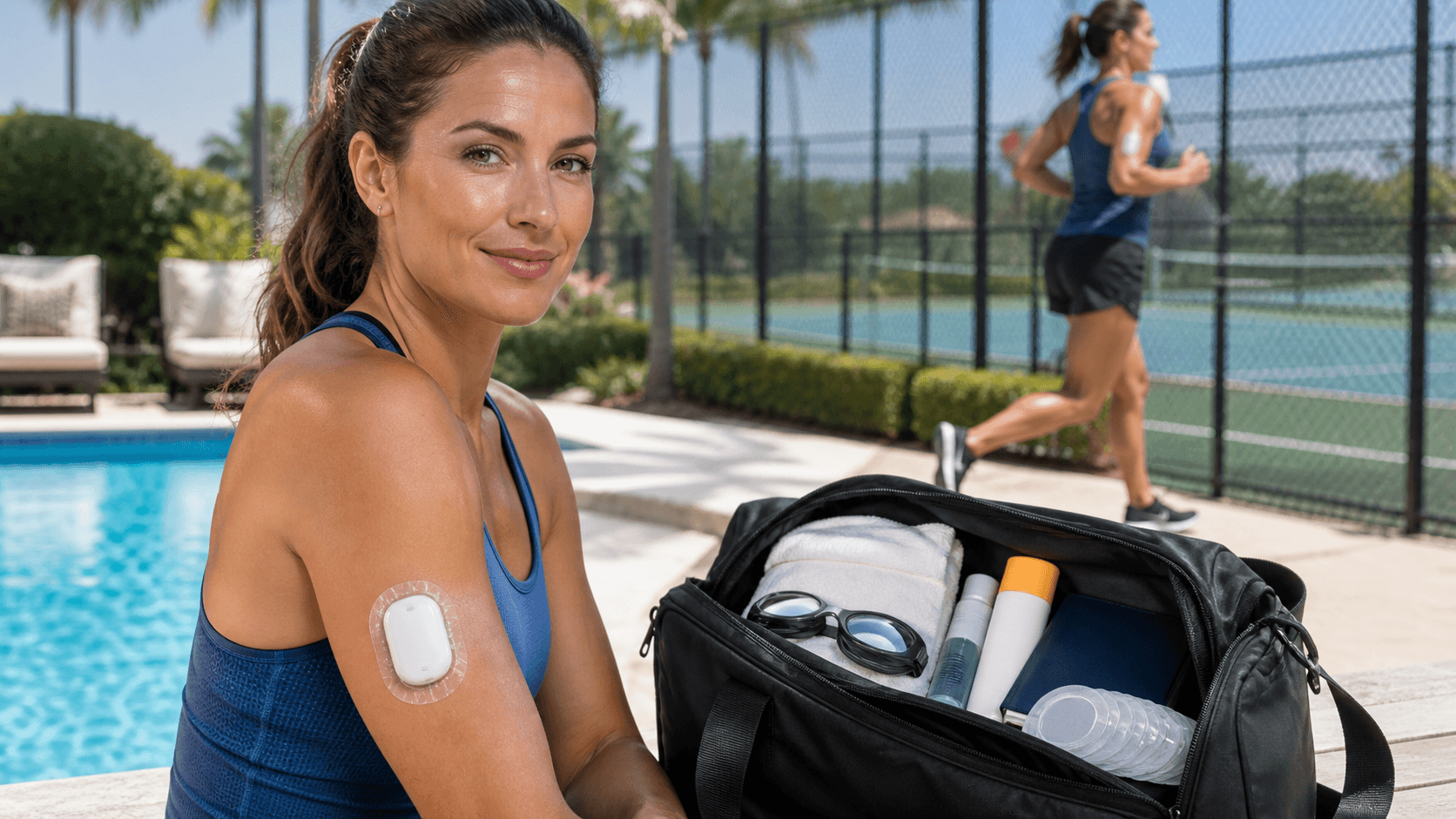
Staying Comfortable in Summer Heat and Water
Challenges of hot weather and active lifestyles
July heat can be tough on any adhesive. Sweat, sunscreen, and long hours outside can cause edges to lift or the whole patch to slide. Many people notice:
- Damp or itchy skin under the patch
- Corners catching on swimsuits or sports gear
- Patches peeling off in the pool or at the beach
Premium glucose monitor patches are made with these real-life moments in mind, especially during hot summers and active days.
Summer-friendly features to prioritize
For warm weather and water time, prioritize:
- Waterproof and sweat-resistant adhesives
- Quick-drying, breathable fabric
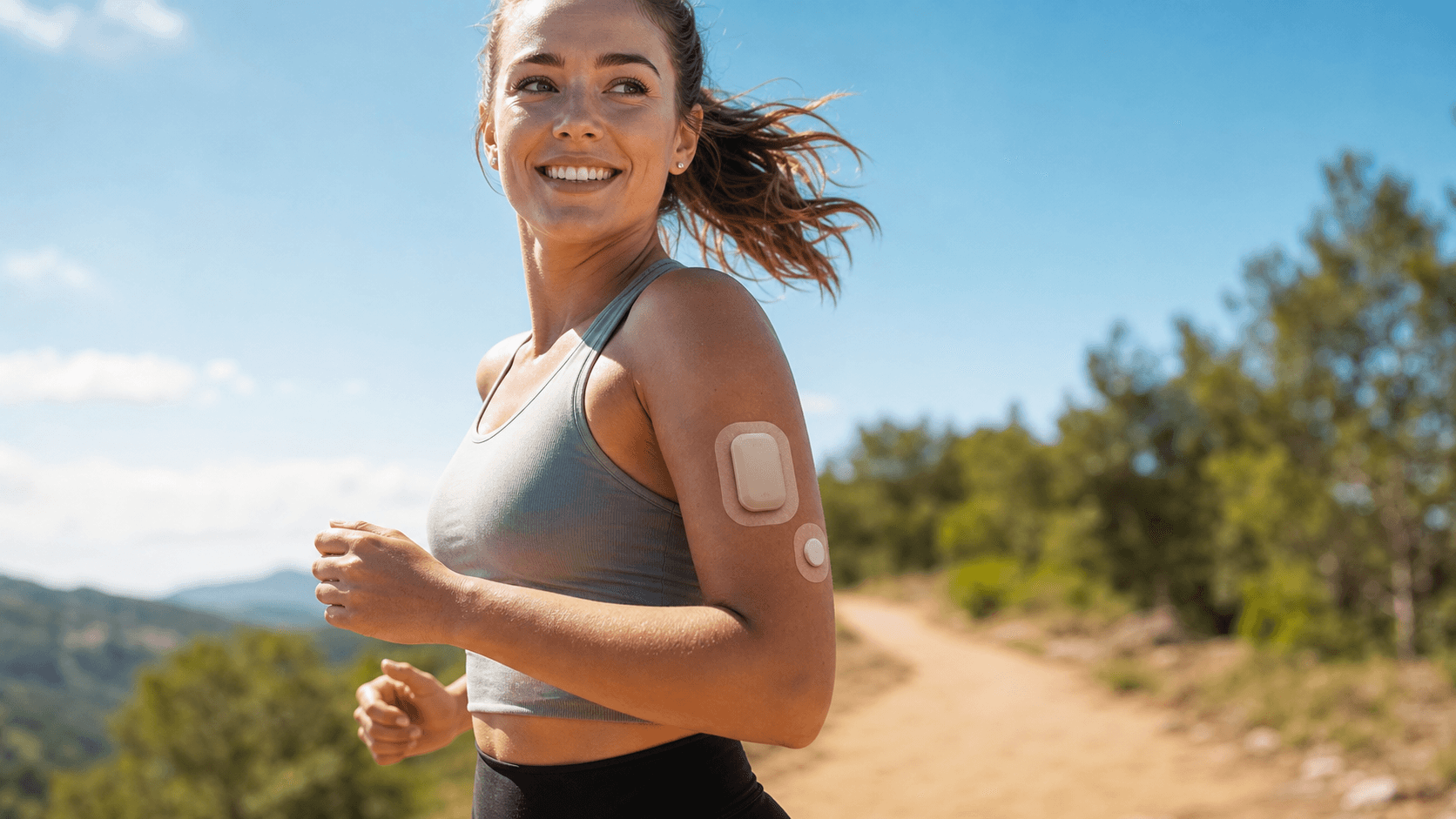
- Flexible stretch that moves with running, biking, or swimming
These features help keep your sensor secure, even when you are in and out of water or moving a lot.
Prep and aftercare for happy skin
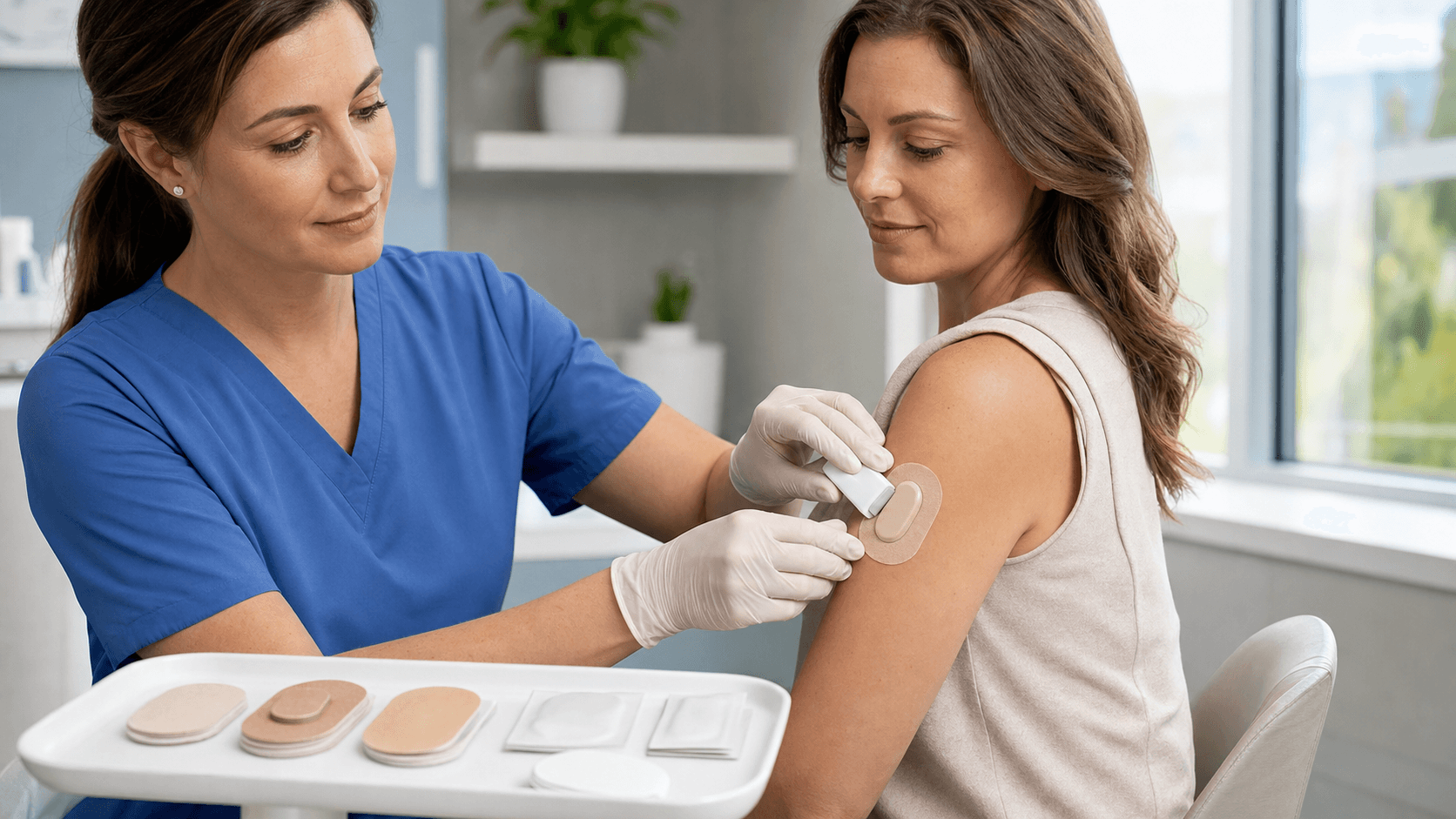
Good skin prep can make a big difference in comfort and wear time. Helpful steps include:
- Clean skin with a gentle, oil-free cleanser and dry fully
- Avoid lotions or oils where the patch will go
- Ask your healthcare provider about barrier wipes if your skin is very sensitive
When it is time to remove the patch, use warm soapy water or an adhesive remover, then peel slowly in the direction of hair growth. Afterward, moisturize the area to help the skin recover.
Comfort and Confidence for Kids with Diabetes
Making devices less scary and more fun
For kids, seeing a device on their skin can feel strange at first. Fun, colorful patches can turn a medical device into something that feels more like a sticker or small accessory. This can:
- Make sensor changes feel less scary
- Help kids feel proud instead of shy
- Turn patch day into a routine they help control
At school, camp, or sports, a secure and cool-looking patch can help a child feel more relaxed around friends.
Extra considerations for children's sensitive skin
Children's skin is thinner and often more reactive. That makes gentle, hypoallergenic materials especially important. It can help to:
- Start with shorter wear times to see how their skin reacts
- Watch closely for redness, especially in hot weather or after swimming
- Keep a few different patch styles at home so you can switch if needed
Practical tips for active kids
Busy, active kids need patches that keep up. A few practical ideas:
- Apply a new patch before big days like camp, beach trips, or sports tournaments
- Send spare patches with kids, along with simple instructions for older children or staff
- Use long-lasting, waterproof patches so parents feel calmer when kids are away from home
When everyone trusts that the sensor will stay put, it is easier to focus on fun instead of worry.
Make Every Wear Day a Skin-Friendly Day
Choosing premium glucose monitor patches is about more than looks. It is about keeping devices secure while protecting sensitive skin during everyday life and busy summer days. With better materials, kinder adhesives, and smart designs, comfort and reliability can go together.
If you notice recurring irritation, itchiness, or edges that keep peeling, it may be time to switch. Hypoallergenic, waterproof patches made for your specific device can help you and your family feel more at ease. At Lexcam Patches, we design skin-friendly, long-lasting patches for adults and kids, with shapes and styles ready for active, summer-ready lives.
Upgrade Your Glucose Monitoring Comfort Today
Experience a more secure, skin-friendly way to protect your sensor with our premium glucose monitor patches designed for everyday life. At Lexcam Patches, we focus on durability, comfort, and style so you can stay active without worrying about your device. Explore our latest designs and find the right fit for your routine, and if you have any questions, feel free to contact us.