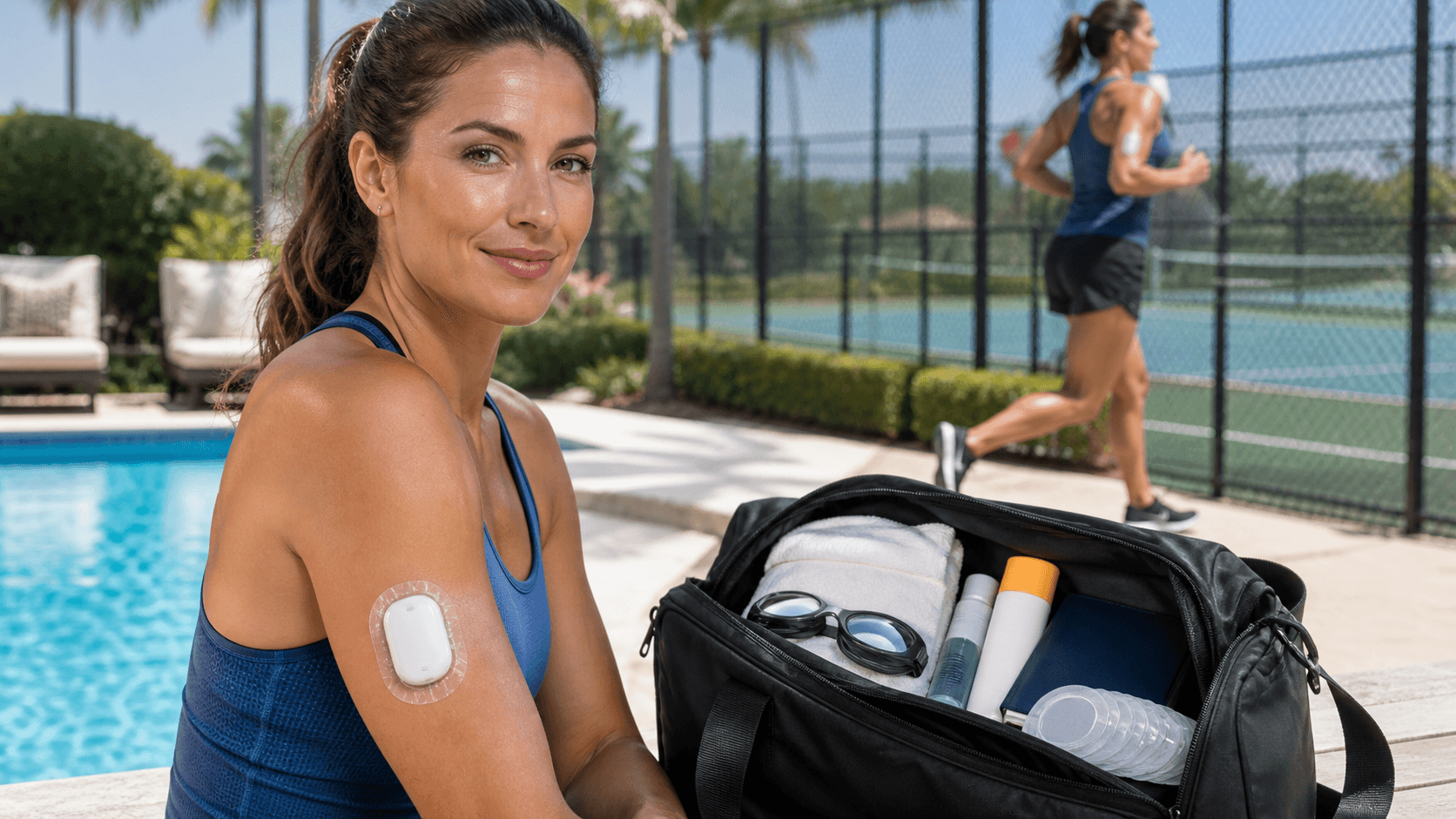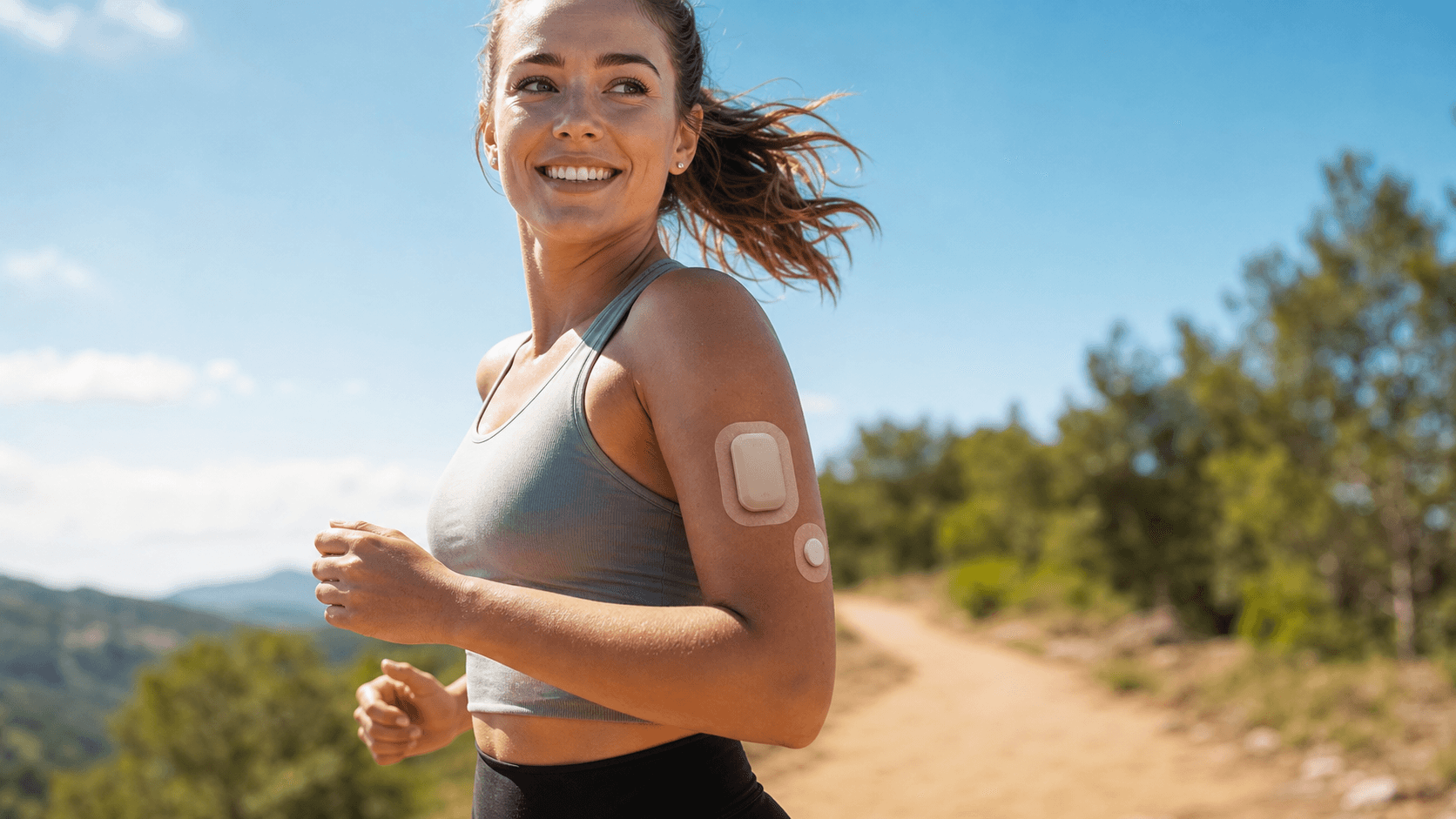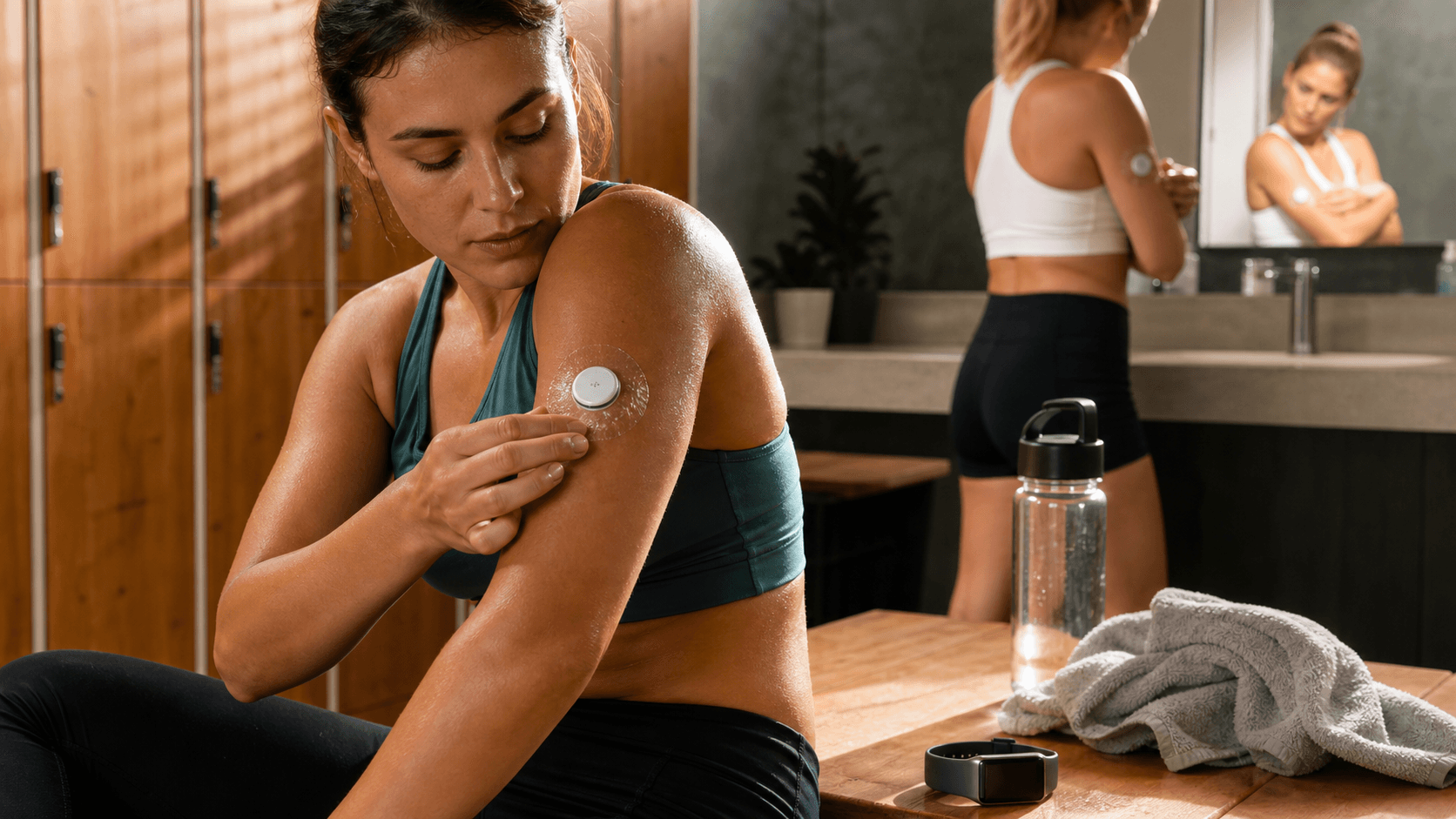
Stop Letting Sweat Ruin Your Sensor Workouts
Keeping a CGM sensor or insulin pump secure during active days can feel like a full-time job. You head out for a run, a long bike ride, or a pool day, and halfway through, the patch starts peeling. Then comes the worry about lost readings, sticky edges catching on clothes, and skin that feels angry and sore.
For active people, especially in hot and humid weather, sweat is only part of the problem. Most of the trouble starts long before the first drop of sweat. The good news is that many common mistakes with sweat-resistant sensor patches are simple to fix once we notice them.
At Lexcam Patches, we spend a lot of time thinking about how real people move, play, and live with diabetes. Let us walk through the most common patch mistakes active people make, and how a few small changes can help your sensor stay put while you focus on your workout, not your adhesive.
Ignoring Skin Prep Before Intense Activity
One of the biggest mistakes is putting a patch on skin that is not ready for it. If the skin is sweaty, oily, or covered in lotion, even the strongest adhesive will struggle.
Things that can make patches slip early include:
- Sweat from a warm-up or earlier workout
- Sunscreen from time outside
- Body oils, heavy lotions, or creams
All of these create a thin, slippery layer between your skin and the patch. That layer can lead to edges rolling up, gaps where sweat collects, and patches that peel off just when you need them most.
A better prep routine for active days does not have to be complicated. Try this simple order:
- Gently wash the site with mild soap and water
- Rinse well and pat the area dry with a clean towel
- Wipe the spot with an alcohol pad
- Let it air dry fully before applying your sensor or patch
Avoid putting lotion, body oil, or thick cream on or close to the sensor site before you apply. If your skin feels dry, use moisturizer on other parts of your body and keep a clear zone around your device area.
Timing also matters. Try to apply your patch at least an hour before working out, swimming, or heading into very humid weather. That quiet time allows the adhesive to bond to your skin. When the patch has had time to settle, it tends to handle sweat, movement, and stretching much better.
Choosing the Wrong Patch for Sweat and Motion
Not every adhesive patch is built for long workouts or hot summer days. A common mistake is assuming any patch will act like a sweat-resistant sensor patch. Some are made for gentle daily use and can lift quickly when you add heat, sweat, and friction.
This often shows up in the same trouble spots:
- Edges rolling under sports bras or tight waistbands
- Corners catching under backpack or hydration pack straps
- Centers loosening when the skin bends or stretches a lot
Another problem is trading comfort for staying power. Some people feel they have to pick very harsh adhesives to get good hold, even if those adhesives make their skin red or sore with repeated use. For those of us wearing sensors and pumps long term, that trade-off can feel rough.
Looking for hypoallergenic and waterproof features can make a big difference. Sweat, showers, pool time, and daily life all add moisture. Patches made to handle water and still stay gentle on the skin can help you feel more comfortable repeating the same routine week after week.
Design details matter as well, especially for active lifestyles. The shape, the cut-out around the device, and how wide the patch is around your sensor all affect how it moves with your body. A patch that flexes with your muscles during running, lifting, yoga, or long walks tends to stay smooth and flat. At Lexcam Patches, we keep those real-life movements in mind so our patches can handle regular workouts, swimming, and humid summer weather.
Placing Patches in High-Friction Hot Spots
Even with good skin prep and a strong patch, placement can make or break your sensor hold. Putting patches in high-friction spots means they are constantly fighting against clothing and gear.
Common high-rub areas include:
- Along waistbands or belt lines
- Right under tight bra bands or straps
- Under snug arm sleeves or compression gear
- Where backpack, weight belt, or sports straps press down
Every step or stretch pulls on that same small area, lifting edges and letting sweat creep under the patch.
For active days, it often helps to choose lower-friction spots. Depending on your device and your care team's guidance, you might ask about areas like the back of the upper arm, the upper buttocks, or the upper abdomen away from waistbands. Rotating your sites also gives stressed skin a break and can cut down on irritation.
When you place a new patch, take an extra minute to lock in the edges:
- Start smoothing from the center of the patch outward
- Use your fingers to push out any small air bubbles
- Press all the way around the edges for a few seconds
After you get dressed, press along the edges again, especially where clothes or straps might rub. That extra moment helps seal things down before you start moving.
Forgetting About Post-Workout Patch Care
What happens after the workout is just as important as what you do before it. Leaving sweat sitting under and around the patch can slowly weaken the adhesive and bother your skin.
Salt from dried sweat can be rough on both skin and adhesive. Long summer runs, outdoor practices, or hard gym sessions are common times when sweat sits on the skin longer than we think.
A few simple habits can help:
- After activity, rinse the area with lukewarm water
- Gently run water over the patch and skin, do not scrub
- Pat dry with a soft towel, no rubbing or pulling on edges
Try to skip very hot, steamy showers right after intense exercise. Heat and steam can soften the adhesive when it is already warm from your workout, which can lead to early lifting.
It also helps to know when to replace a patch early. Signs to watch for include:
- Edges rolling up or feeling sticky
- Itchiness or soreness under or around the adhesive
- Visible gaps or lifting around the sensor or pump
Changing to a fresh patch before a big event, like a race, game, vacation day, or travel day, can prevent mid-activity trouble. Sweat-resistant sensor patches that are still in good shape at the start usually stay stronger when you really need them.
Upgrade Your Patch Routine Before Your Next Workout
Keeping your CGM sensor or insulin pump stable through sweat-heavy days is not about being perfect. It is about understanding a few key habits and giving your patch the best chance to do its job.
The most common and costly mistakes are simple:
- Skipping good skin prep before long, hot activities
- Using generic patches that are not made for sweat and motion
- Placing devices in high-friction spots where clothes and gear rub
- Ignoring quick post-workout care and signs that it is time to replace a patch
Each of these is easy to adjust, and the reward is less stress about peeling corners and more trust in your device readings.
When we treat patch application like part of our training routine instead of an afterthought, things change. A short pre-workout checklist and a quick rinse-and-dry habit afterward can turn your sensor into a set-it-and-move-it partner. At Lexcam Patches, we design hypoallergenic, waterproof patches with active people in mind, so your sweat-resistant sensor patches can work with your life, not against it.
Keep Your Sensors Secure And Your Data On Track
If sweat and movement are getting in the way of accurate readings, our sweat-resistant sensor patches are designed to help your device stay put and perform. At Lexcam Patches, we focus on comfort, durability, and reliability so you can stay active without worrying about constant reapplication. Explore our options to find the right fit for your routine, or contact us with any questions about choosing the best patch for your needs.