Keep Your CGM Patch Investment Working Longer
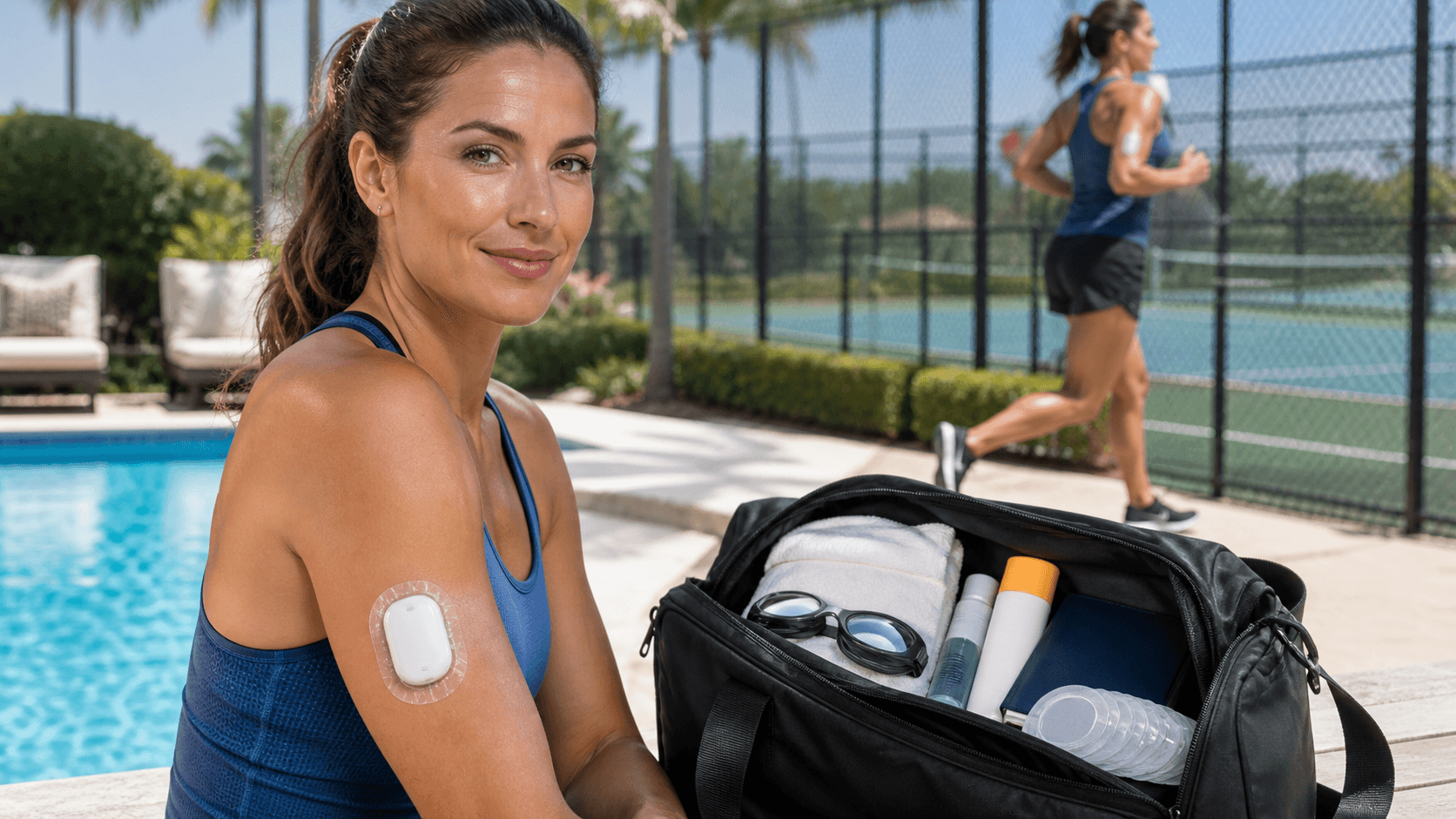
Premium glucose monitor patches are more than cute colors and fun shapes. They help keep your CGM or pump secure, protect your skin, and give you one less thing to stress about while you are managing diabetes. When summer hits with heat, sweat, pool days, and sunscreen, good patch care matters even more.
Many people feel annoyed when a patch starts peeling after a day at the lake, or when edges roll up after a humid walk. Sweat, lotion, and sand can all work against your adhesive. The good news is that with a simple routine, you can help your patches stay put and feel better on your skin.
In this guide, we will walk through how to prep your skin, use wipes and barriers, care for overpatches, and store your accessories so you get the most from every patch.
Prep Your Skin Like a Pro Before Every Patch
If you remember only one thing, let it be this: your patch sticks to your skin, not your device. The cleaner and drier your skin is, the longer your premium glucose monitor patches can hold on, especially when the weather is hot and sticky.
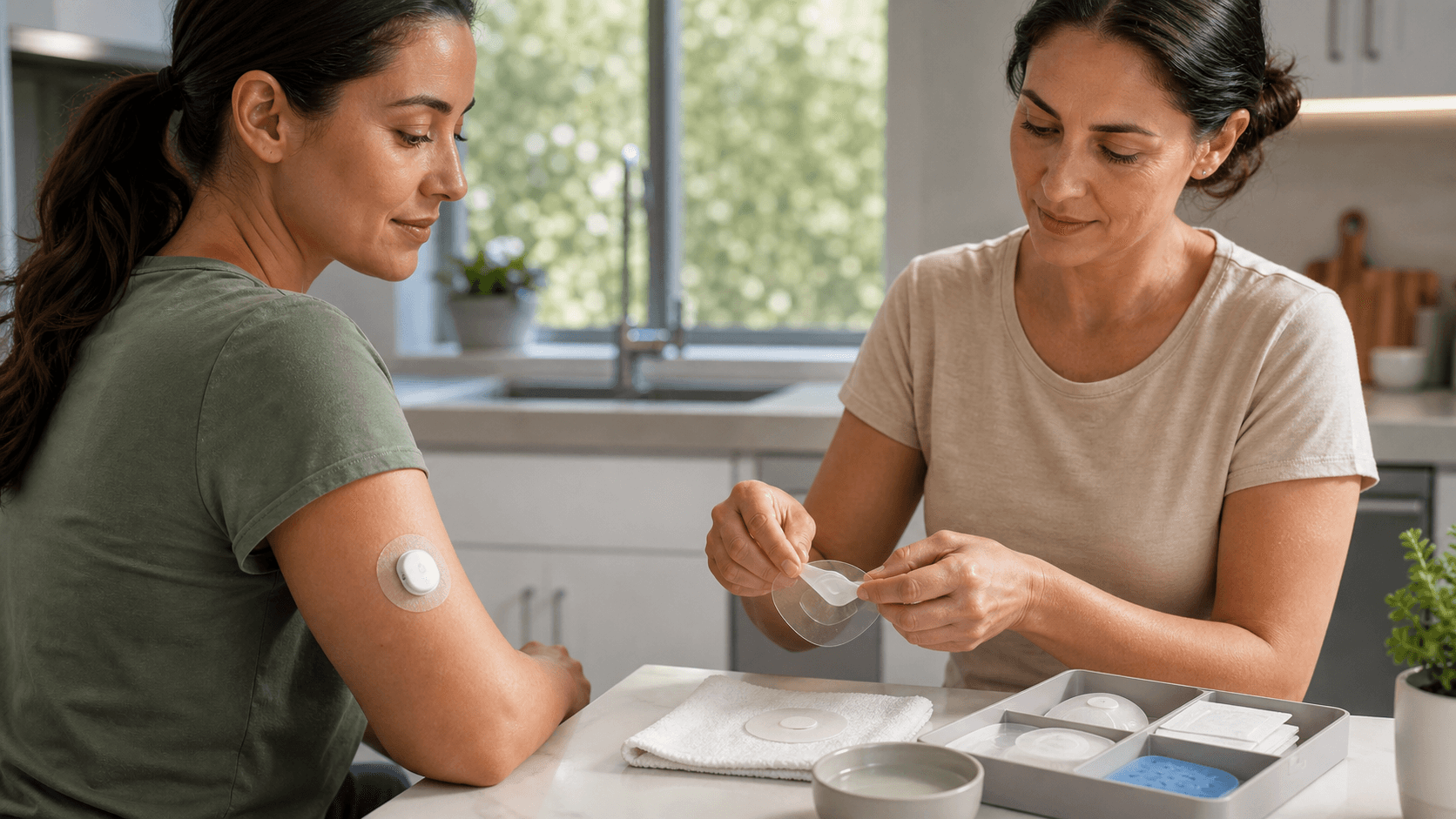
A simple preapplication routine can make a big difference:
- Wash the area with gentle, fragrance-free soap
- Rinse very well so no soap film is left
- Pat dry, then let your skin air dry for several minutes
- Use an alcohol wipe if your skin handles it well
- Add a thin skin barrier if you are prone to irritation
Try these tips as you get ready:
- Avoid lotions, oils, and heavy sunscreen where the adhesive will go
- If you need sunscreen, apply it after your patch is fully set, and keep it around, not under, the adhesive
- Trim or shave hair the day before, not right before, so your skin has time to calm down
If you sweat a lot on your arms or belly, give yourself extra dry time. Sit under a fan or in a cool room. Some people like to prep the site, then wait a few minutes before placing the sensor and patch, so sweat has a chance to settle.
Smart Use of Wipes and Barrier Products
Wipes and barriers are small tools that can play a big role in comfort and wear time. Each one does something different, and using them in the right order helps your patch stay secure without being harsh on your skin.
Here is how they usually fit together:
- Cleaning wipes remove dirt, sunscreen, old glue, and skin oils
- Alcohol wipes quickly dry the skin and cut through extra oil
- Barrier wipes or sprays add a thin layer between your skin and the adhesive
A simple order that works for many people is:
- Clean the skin with soap and water, then rinse and dry
- Use a cleaning wipe if you have leftover residue from a past patch
- Swipe with an alcohol wipe, then let the skin dry completely
- Apply a very thin layer of barrier product if you use one
- Wait until the barrier feels dry or slightly tacky
- Place your patch or overpatch without touching the adhesive side
If you have sensitive skin, go slowly with new products:
- Choose hypoallergenic wipes and barriers when possible
- Patch test on a small area 24 to 48 hours before using them under your CGM or pump
- Skip barriers if they seem to shorten wear time or make your skin itchy
Pay attention to how your skin looks at each sensor change. Redness, burning, or blisters are signs that something in your routine needs to change, and it may help to talk with a healthcare professional.
Overpatch Care to Extend Adhesive Life
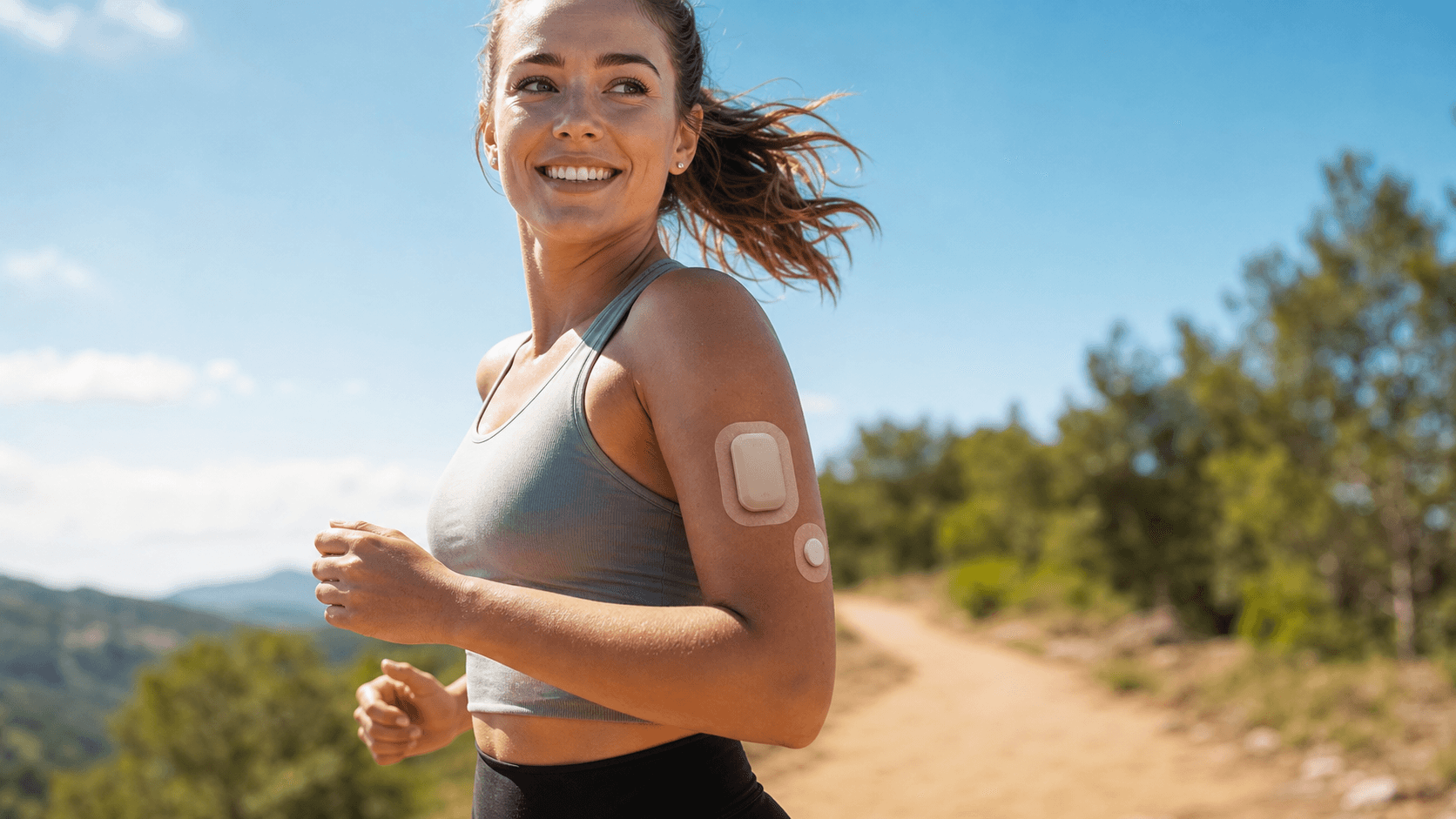
Overpatches work like a safety net for your CGM or pod. They help keep everything in place during swimming, beach days, yard work, or hikes in humid weather. Instead of piling on extra tape, an overpatch can spread out the support in a gentle way.
To get more days from each overpatch:
- If edges start to catch on clothing, carefully round them with clean scissors
- After swimming, gently pat the area dry instead of rubbing
- Press lifting edges back down with clean fingers while the skin is dry
Sometimes it helps to layer or replace overpatches during the life of a sensor. A few tips:
- Do not rip off an overpatch quickly, especially near the device
- Peel slowly, holding the skin down with your other hand
- If you need a new overpatch, apply it over dry skin and the original adhesive, without tugging on the device
If you are planning a week of camping, a beach visit, or long outdoor events around early July, it can help to start with a fresh overpatch just before the busy days begin.
Storing and Reusing Accessories Safely
How you store your premium glucose monitor patches and accessories can affect how well they stick. Heat and moisture are rough on adhesives, so giving your supplies a calm place to live really helps.
For storage at home:
- Keep unopened patches, wipes, and barriers in a cool, dry spot
- Avoid bathrooms, windowsills, and hot cars
- Reseal pouches or boxes tightly after opening
Most adhesive items are made for one-time use. In general:
- Patches and overpatches should not be reused
- Alcohol and barrier wipes are single use only
- Reusable tools like scissors, sensor site markers, and application aids should be cleaned and, when needed, disinfected between uses
Travel and summer bring some extra challenges, especially in hot places like ours. It can help to:
- Build a small CGM patch kit with extra patches, wipes, and barrier products
- Store your kit in a temperature-stable bag, away from car floor heat and direct sun
- Keep packages closed until you are ready to use them, so they do not dry out
A little planning goes a long way when you are far from home and busy having fun.
Your Next Sensor Change: Turn Care Into a Routine
The easiest way to get more from premium glucose monitor patches is to turn these steps into a simple ritual. Every sensor or pod change can follow the same pattern: clean, prep, protect, apply, then store your leftovers well.
You can even do a quick check of your current habits. Ask yourself: Could my skin be cleaner or drier before I place a patch? Do I need a barrier because my skin is sensitive, or is it making things worse? Would an overpatch help during summer swims and sweaty days?
When you are ready to upgrade, it can help to pair a solid care routine with high-quality, hypoallergenic, waterproof patches and accessories that are made for devices like Dexcom, Libre, and Omnipod. At Lexcam Patches, we focus on comfort, longer wear, and happy skin so you can move through your day with a little more confidence and a lot less worry about what is stuck to your arm or belly.
Protect Your Sensor With Confident, Comfortable Wear
Choose Lexcam Patches to keep your CGM secure so you can focus on your day instead of worrying about your sensor. Explore our premium glucose monitor patches designed for reliable adhesion, skin comfort, and everyday durability. If you have questions about fit, materials, or ordering, reach out to us anytime through our contact page.