Make Your Dexcom G7 Stay Put and Feel Better
Keeping a Dexcom G7 on your skin for the full wear session can feel like a small victory every time it works out. When it does not, you are suddenly dealing with lost data, surprise costs, and a lot of frustration. Whether you are living with type 1 diabetes or type 2 diabetes, reliable sensor wear is part of feeling confident about your numbers and your decisions.
The challenge is that everyday life is tough on adhesive. Sweat, showers, swimming, clothing rubbing across the sensor, or naturally sensitive skin can all make a sensor peel up long before it should. That is where Dexcom G7 patches and overpatches come in, giving the sensor a protective hug so it stays secure, comfortable, and accurate.
At Lexcam, we focus on premium glucose monitor patches and overpatches that help you worry less about what is on your arm and focus more on living your life. Our goal is to balance hold, comfort, and skin friendliness so you can trust your devices without feeling like your skin pays the price.
What to Look for in Dexcom G7 Patches and Overpatches
Not every patch that sticks to skin is a good match for a Dexcom G7. The shape of the sensor, where the adhesive ring sits, and how you move during the day all matter. Patches for Dexcom should be designed specifically for the G7 footprint, not just repurposed Dexcom G6 patches, so they fit around the sensor correctly and do not cover any critical parts that need to breathe or be visible.
Material is another big factor. Many people prefer soft, flexible fabric over plastic film because it moves with the skin and feels more natural under clothing. A quality elastic sensor adhesive tape lets the patch stretch with you when you reach, twist, or exercise, instead of pulling or lifting at the edges. Some people like an invisible glucose monitor patch look, something low-profile and close to skin tone that does not draw attention.
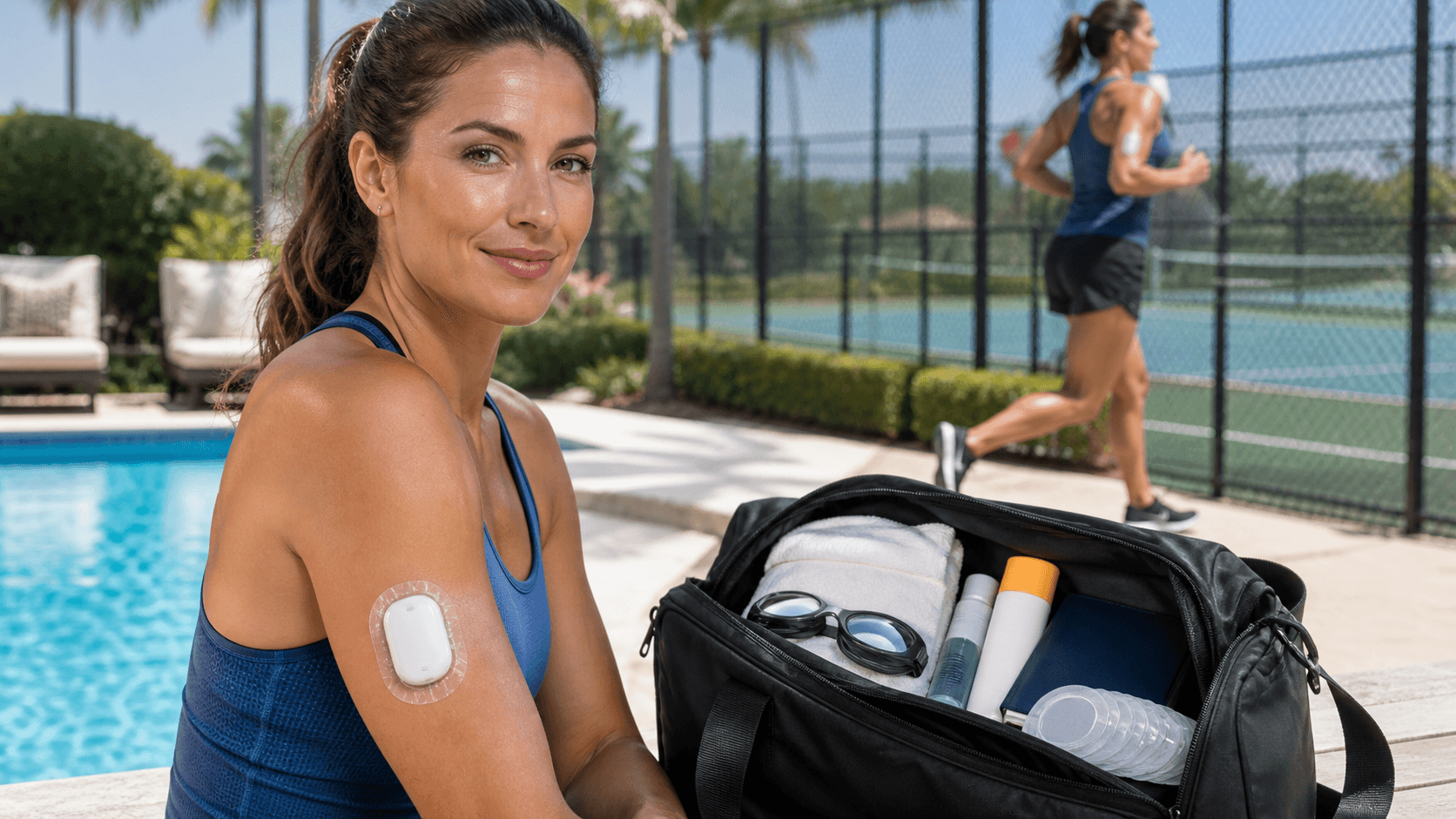
If your days include workouts, outdoor time, or steamy showers, wear performance becomes just as important as comfort. Premium patches for Dexcom should act like a professional continuous glucose monitor tape, holding up to sweat and water without getting soggy or peeling at the first sign of moisture. Features to look for include:
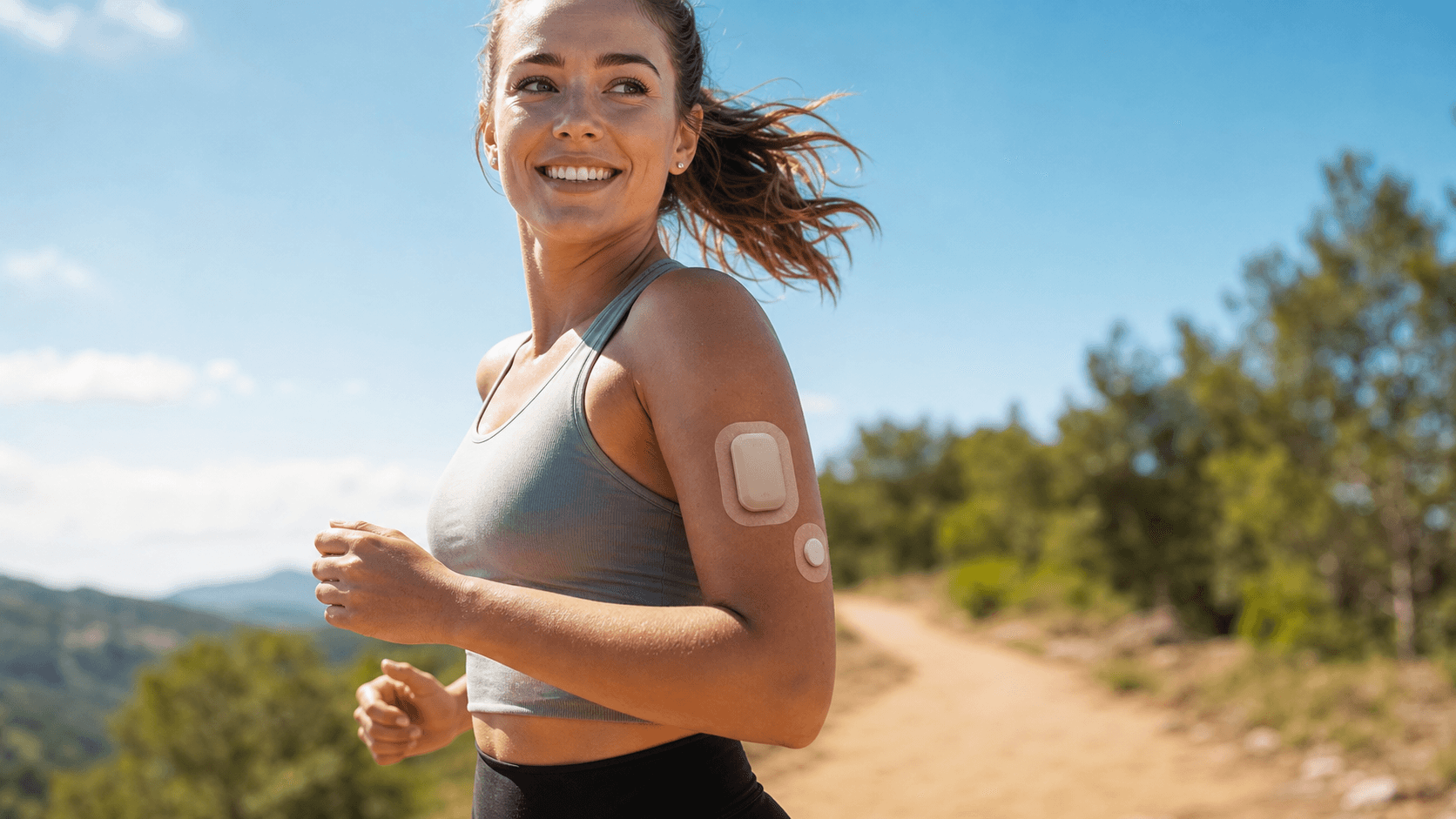
- Sweat-resistant sensor patches that are made for active use
- Waterproof overpatch for glucose monitors that can handle swimming and daily showers
- Edges that resist fraying so they do not catch on clothes or bedding
- Adhesive that stays reliable for the full sensor session when applied correctly
Skin health ties everything together. Secure glucose sensor covers should still be gentle on your skin, especially if you are prone to irritation. Hypoallergenic adhesives, breathable fabrics, and a design that does not trap too much moisture can all help. For sensitive skin, pairing a skin prep or barrier with a quality patch often gives you the best mix of protection and comfort around your Dexcom G7 adhesive patches.
Why Lexcam Patches Stand Out for Dexcom G7 Users
At Lexcam, we design Lexcam patches with diabetes life in mind. Our Lexcam G7 patches and Dexcom G7 overpatches are purpose-built for the sensor shape and are created to support everything from quiet office days to intense workouts, travel, and kid-level activity.
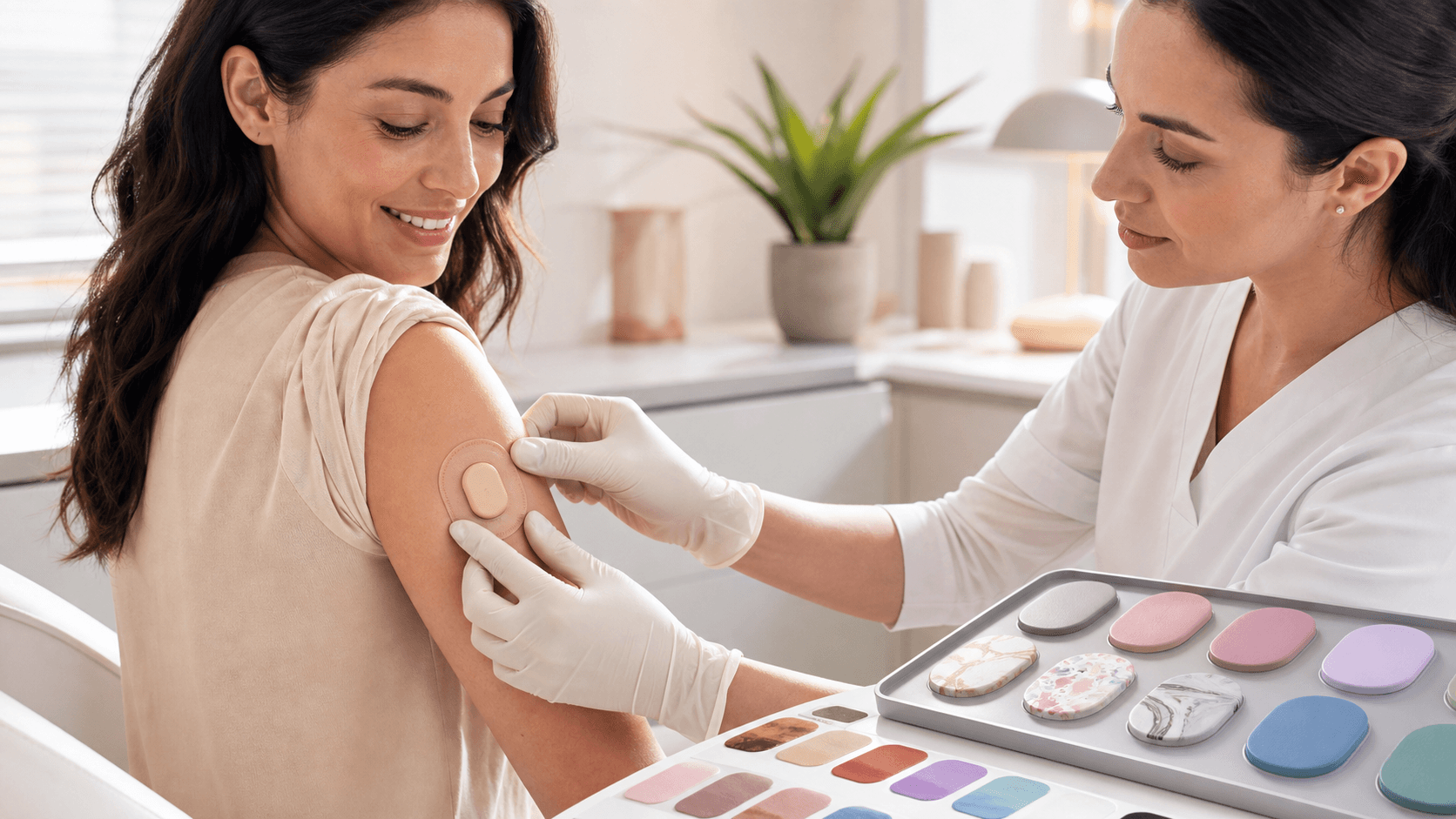
We use a pre-cut shape tailored to the Dexcom G7 so you do not have to guess where to cut or punch a hole. The backing is made for easy application, so you can peel and place without stretching or fumbling with scissors. The elastic sensor adhesive tape we use is meant to move with your body, helping the patch feel more like a second skin instead of a stiff bandage, and we offer options that are low-profile or close to invisible on many skin tones.
Performance is where Lexcam patches really need to prove themselves. Our sweat-resistant sensor patches are designed to stay put during runs, gym sessions, and hot days, while Dexcom G7 overpatches are built to manage everyday life that includes water, from quick rinses to longer showers. With proper application, our waterproof overpatch for glucose monitors is made to support full wear sessions so you can stop re-sticking corners every few days.
We know many people are wearing more than one device, so our broader range includes overpatches for Dexcom in different styles and premium insulin pump adhesive covers as well. That way, you can create a coordinated system of secure glucose sensor covers and pump patches that all feel similar on your skin, instead of mixing random tapes from different sources.
How to Apply Dexcom G7 Patches for Maximum Hold
A good patch starts with good skin prep. Oils, lotions, and sweat can all weaken any adhesive, even on professional-level tape. Before you apply your Dexcom G7 and Lexcam patch, wash the area with mild soap, rinse well, and dry completely. If your skin is sensitive or you want extra longevity, you can use a skin prep or barrier wipe, letting it dry fully before placing the sensor.
Application works best in steps:
- Choose a sensor site with enough flat space and minimal bending or waistline friction
- Insert the Dexcom G7 sensor and give the adhesive a little time to bond to your skin
- Once the sensor base feels secure, remove the backing from your Lexcam G7 patch
- Center the opening over the sensor, press down gently from the middle outward
- Smooth around the edges to remove wrinkles and air bubbles that can lead to lifting
Once everything is in place, day-to-day care is what keeps the patch looking and feeling good. When showering or swimming with overpatches for Dexcom G7, avoid excessively hot water directly on the patch and pat it dry instead of rubbing. During exercise, clothing that does not rub constantly across the sensor and patch can help them last longer. At night, be mindful of edges catching on sheets or pajamas.
When it is time to remove or replace a Lexcam patch, go slow and gentle. Peel the patch back on itself rather than straight up to avoid tugging on the sensor. Some people like to use a bit of adhesive remover or oil at the edges to ease the release if their skin is sensitive. If the patch is starting to peel or fray in multiple spots, it is usually a good time to replace it so protection stays consistent.
Matching the Right Patch to Your Lifestyle and Device
Not every Dexcom G7 user needs the exact same patch. Your activity level, climate, work setting, and skin type all play a part in what feels best. If you are into sports or frequent workouts, sweat-resistant sensor patches with strong hold are usually worth it. Swimmers or people who spend a lot of time in the water often do best with a waterproof overpatch for glucose monitors that is specifically built for wet conditions. For office or professional settings, a low-profile or nearly invisible glucose monitor patch can keep things discreet under clothing.
Skin preferences are just as important as activity. Some people like a soft fabric feel, while others prefer the sleeker touch of thinner adhesive film. Kids may appreciate gentle, flexible elastic sensor adhesive tape that keeps up with playground movement. Adults with sensitive skin might prioritize breathable materials and pair them with a barrier product. The key is to watch how your skin responds and make small changes until it feels right.
If you are using a pump along with your Dexcom G7, combining Lexcam patches for Dexcom with premium insulin pump adhesive covers can give you a consistent, coordinated wear system. When both devices feel secure, you are less likely to worry about catching a site on clothing or losing an infusion set or sensor unexpectedly.
There is also the question of budget and long-term value. At first glance, premium glucose monitor patches may seem like an extra step. In practice, they can help prevent lost sensors, failed readings, and early replacements, which often cost far more in both money and time. A reliable patch can mean fewer emergency changes and less anxiety every time you bump your arm on a doorway.
Confident Sensor Wear Starts with the Right Patch
Dexcom G7 patches and overpatches are a simple tool, but they can have a big impact on how you feel about sensor wear. When the adhesive is working, your sensor is better protected from sweat, friction, and accidental bumps, and your data is more likely to stay steady and dependable. That peace of mind matters, especially when you are making decisions about food, activity, and medication throughout the day.
At Lexcam, we create Lexcam patches and Dexcom G7 overpatches for people living with both type 1 diabetes and type 2 diabetes who want secure glucose sensor covers without giving up comfort. By focusing on thoughtful design, quality materials, and options for different lifestyles, we aim to make sensor wear feel a little less stressful and a lot more reliable. Experimenting with different Lexcam G7 patches, fabrics, and styles can help you land on a setup that feels like it was made for your skin, your schedule, and your devices.
Keep Your Dexcom G7 Secure And Comfortable Longer
If you are ready to make your sensor stay put and feel better on your skin, explore our premium Dexcom G7 patches designed for active, everyday wear. At Lexcam Patches, we focus on durability, comfort, and styles that fit your life so you can spend less time worrying about adhesion. Have questions about fit, materials, or orders, or need help choosing the right option for you? Just contact us and our team will be happy to help.